
Whoa! Okay, so check this out—NFC isn’t just about tapping your phone. It quietly let hardware wallets become tiny, physical guards for your private keys. At first glance it looks like a convenience trick, but actually it’s a security shift that rethinks how we carry and use cryptographic secrets in daily life, blending usability and isolation in ways that used to feel contradictory. I’m biased, but that shift matters.
My first impression was skepticism. Seriously? A card that holds keys and you just wave it near a phone? Hmm… my instinct said “somethin’ off” because clever UX sometimes hides compromises. Initially I thought that contactless convenience would mean weaker security. Actually, wait—let me rephrase that: the risk model changed rather than collapsed, and that nuance matters for anyone who cares about real-world use. On one hand, you remove lengthy seed-phrase rituals, though actually there’s still a trust and backup conversation to have.
I remember testing a smart-card wallet during a winter in Boston. The street was noisy and my hands were cold. The card still worked fine. That little practical win surprised me. It felt like carrying a credit card, but with cryptographic armor built in—familiarity lowers the friction for safer habits, which is very very important.
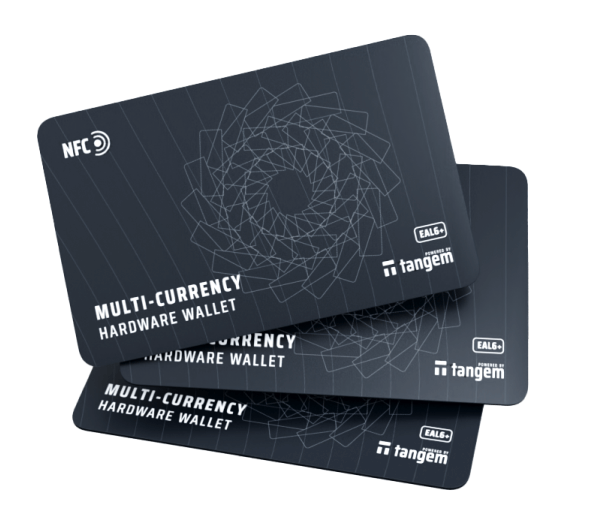
How NFC actually protects private keys
Here’s the thing. NFC lets a secure element inside the card do signing without exposing the private key ever to the phone. The phone becomes a dumb terminal. The private key stays inside the chip, air-gapped except during authenticated NFC sessions. For non‑technical folks, that means fewer chances to paste your seed into a malicious app, or type it on a compromised laptop—common mistakes that lead to theft. My gut said this could be huge; after walking through attack scenarios I realized it’s not a silver bullet, but it reduces several big risks at once.
Check this out—when manufacturers design the secure element and the signing protocol right, you get the usability of contactless payments with the isolation of a hardware wallet. I’m not 100% sure about every model, but products that lock down firmware, restrict commands, and use attestation make a difference. One example I keep recommending is the tangem wallet because it nails the card form factor and simple UX while keeping keys offline in hardware. You can read more about it here: tangem wallet.
There’s a practical checklist to consider. Does the product support firmware attestation? Can it sign standard transaction formats? How are backups handled? Wow—these are small questions with big consequences. The answers separate slick demos from production-ready security. I’m biased toward devices that force you to create a recoverable backup without typing a seed phrase into a phone, but I also appreciate smart recovery options that don’t turn you into a cryptographer overnight.
Security tradeoffs matter. Short wins like tap-to-pay convenience can lure users into complacency. Watch for single points of failure. If your backup is a QR code saved on cloud storage, that’s a problem. On the flip side, a card that requires near-field presence and a PIN for signing makes remote attacks much harder. That balance between convenience and isolation is the whole game.
Technically speaking, NFC cards use ISO/IEC 14443 protocols, and the secure element implements private key storage and cryptographic operations. Some cards support multiple key slots so you can segment assets. Longer transactions may require a second factor like a PIN or biometric confirmation on your phone, which combines what the card keeps private with what you control. This layered approach is what I call “practical compartmentalization”—in real life, people want simple flows, not cryptic security rituals.
On my second look I tried to simulate a common attacker—phishing apps, malicious OTG cables, and compromised PCs. The attack surface shrinks when signing is bound to the card’s internal state. However, supply chain attacks and cloned hardware still worry me. So here’s what I do in practice: buy from reputable retailers, verify device attestation numbers if available, and use at least two distinct backup methods. It’s not glamorous, but it works.
Contactless payments with crypto are emerging, too. Imagine tapping your Tangem-like card at a cafe terminal that supports on‑device signatures for merchant payment flows. The crypto transaction is authorized without exposing keys, and settlement happens in the background. It sounds futuristic, but pilots are already running. On the technical side there are hurdles—merchant integration, latency, and regulatory questions—but the user story is compelling: banks taught people to carry cards; crypto can learn the same lesson if the UX is clean.
Okay, tangents—(oh, and by the way…) there’s also a psychological win. People treat a physical object differently than an app icon. You lose keys far less often when they feel tactile and important. Weird, right? Our brains assign value to objects in ways that nudge behavior. So a smart card can be both ergonomic and secure, assuming you respect backup discipline.
Let me walk you through a typical flow. You tap your card to a phone. The phone sends a transaction request to the secure element. The card verifies a PIN, signs the transaction internally, and sends back a signed blob. The phone broadcasts that signed blob to the network. That’s it. No seed phrases, no manual copying, no risky clipboard. Simple. But not simplistic—there are still risks if the card’s firmware is malicious or the phone lies about what it’s signing, so confirm transaction details on a trusted display if possible.
I’m often asked: “What happens if the card is lost?” Great question. Most systems use a recovery seed or another card as a backup method. Some vendors offer multisig wallets where a lost card is only one key among several. That reduces single‑device loss risk a lot. Multisig is more complex, sure, but for larger balances it’s worth the extra effort.
Regulation looms. In the US, payments and crypto intersect in messy ways. Card-based wallets that emulate payment rails might face AML or KYC scrutiny depending on how they’re used. That doesn’t mean avoid them; it just means expect legal and compliance features to show up in the product roadmap. For nerds like me that’s an interesting constraint that shapes design choices.
Here’s something that bugs me about some vendor messaging: promises of “unbreakable security” without describing failure modes. No device is perfect. Be skeptical of absolute claims. Instead, favor transparency about threat models, firmware updates, and how backups are handled. The best providers admit limitations and explain mitigations frankly.
Common questions I keep hearing
Can NFC smart cards be cloned?
Short answer: not easily. The secure element is designed to prevent key extraction, so cloning a card requires breaking the chip-level protections—a nontrivial, expensive task. That said, supply-chain and counterfeit risks exist, so buy from trusted sources and verify attestation if available.
Are these cards safe for large holdings?
Depends on your tolerance for complexity. For some, using a smart card plus a separate multisig cold storage setup is the right path. For others, a hardware wallet with a screen and a robust backup might be preferable. There’s no one-size-fits-all. I like combining devices for significant balances—diversify the failure modes, not just the accounts.
So what’s the takeaway? NFC smart-card wallets make secure crypto interactions feel like carrying a regular card, while actually shrinking the risk surface for common user mistakes. This doesn’t eliminate every threat, but it radically improves day-to-day safety for people who value both security and convenience. My instinct told me they’d be niche; now I see they’re practical and poised to scale.
I’ll be honest—there are still open questions. How will merchant adoption unfold? What novel attacks will researchers uncover next year? But for now, if you want simple, contactless, hardware-backed protection for your keys, a smart-card approach deserves serious consideration. It changed how I think about holding keys, and it might change how you do payments, too… or at least that’s how it feels to me.