
Okay, so check this out—I’ve been messing around with Solana for a bit now, mostly dabbling in staking rewards and juggling SPL tokens alongside some NFTs. And honestly? It’s a wild mix of straightforward and, well, kinda tricky. You’d think staking rewards are just about locking tokens and waiting for returns, but nope, things get spicy pretty quick. My instinct said, “This is too simple,” but turns out there’s a lot under the hood that’s very very important for anyone serious about the Solana ecosystem.
At first glance, staking SPL tokens looks like a no-brainer. You stake, you earn. But then, when you throw NFTs into the mix—especially with their recent surge in utility—it’s like you’re suddenly juggling two very different beasts. I mean, NFTs aren’t just collectibles anymore; they’re becoming keys, passes, and even parts of DeFi strategies. Something felt off about the usual wallet apps handling all this seamlessly, so I went digging. What I found surprised me.
Whoa! The way Solana’s architecture supports these tokens and NFTs makes for a pretty slick experience, but only if you have the right tools. And speaking of tools, I stumbled upon this wallet that’s been quietly handling staking and NFT management in a way that actually *makes sense*. You can find it here, and I gotta say, it’s been a game-changer. Seriously, it’s like someone finally paid attention to what users actually want.
Initially, I thought, “Why bother with a specialized wallet?” But then, after fiddling with multiple apps and seeing how some just botch the NFT viewing experience or make staking unnecessarily complicated, I realized convenience isn’t just a buzzword—it’s critical. Especially when gas fees and transaction speed are in the spotlight. On one hand, you want control; on the other, you want simplicity. And that balance? It’s harder to nail than it looks.
Here’s the thing. Managing SPL tokens for staking isn’t just about passive income. There’s a strategy involved—like deciding when to unstake based on network conditions or reward cycles. And NFTs? They add an extra layer of decision-making, since some can be staked or used as collateral in DeFi protocols. It’s not just holding assets anymore; it’s actively engaging with a dynamic, evolving ecosystem that rewards savvy moves.
Check this out—
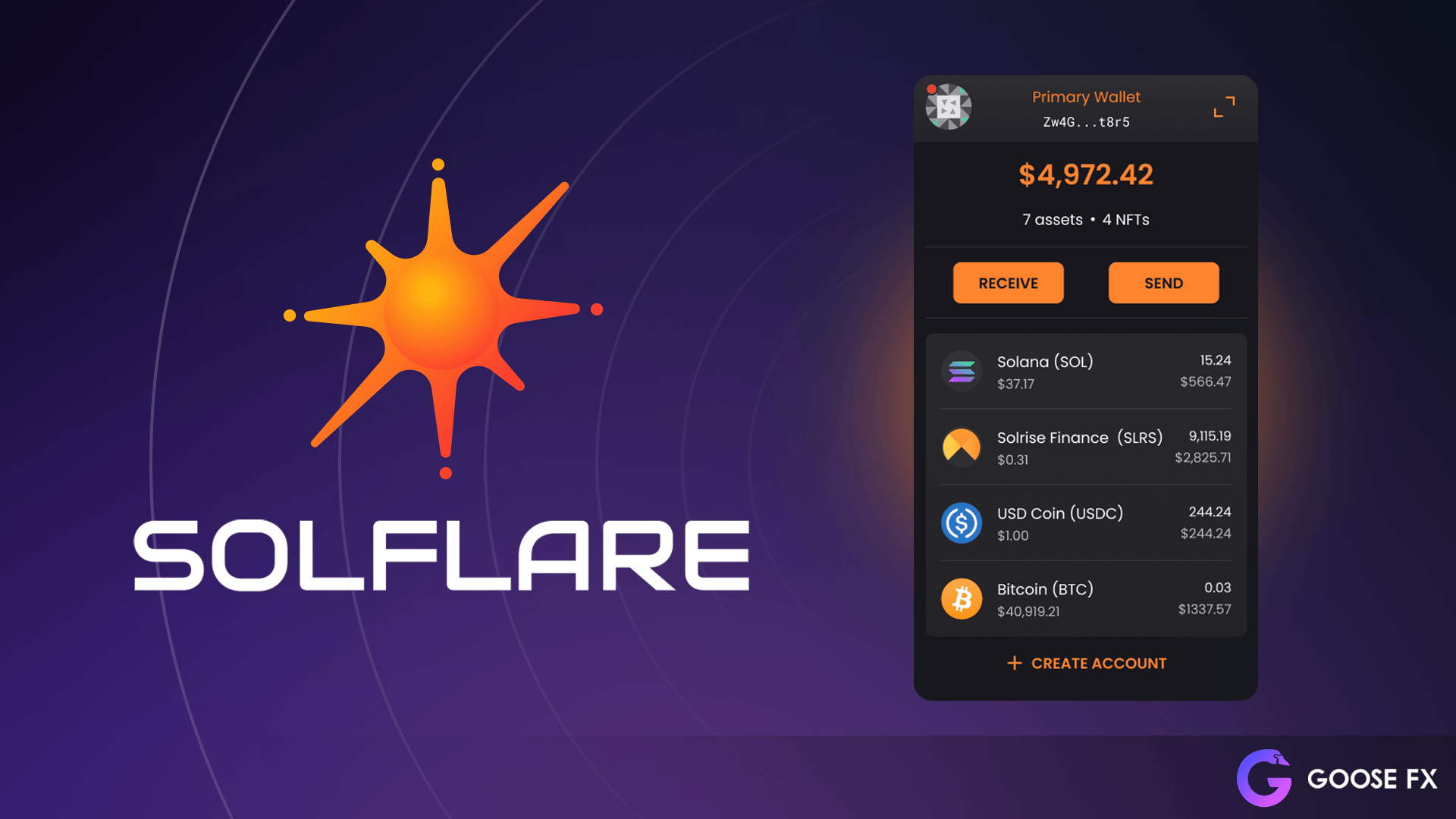
See that dashboard? It’s not just eye candy; it reflects real-time staking rewards and NFT statuses. Being able to track all this in one place is huge. I remember juggling between multiple tabs and apps before, and man, that was a mess. This kind of integration really steps up the game, especially for folks deep into DeFi.
Why SPL Tokens Are the Backbone of Solana Staking
SPL tokens are kinda like Solana’s native “standard” tokens—think of them as the Solana version of ERC-20 tokens on Ethereum. But what bugs me is how often people overlook their versatility. Beyond staking, these tokens fuel DeFi protocols, liquidity pools, and yes, NFT marketplaces. I’m biased, but if you’re in the Solana space, understanding SPL tokens is very very important.
The way staking rewards are structured around SPL tokens is fascinating. Unlike traditional finance where interest rates are usually fixed or semi-fixed, Solana’s staking rewards fluctuate based on network participation and validator performance. So, your returns can vary, and that uncertainty adds a layer of excitement (or anxiety) depending on your risk appetite.
Hmm… it’s like traditional bonds meeting rollercoaster rides. At least, that’s how I feel about it. But actually, wait—let me rephrase that: the rewards system encourages not just holding but active participation, which is a neat twist. Validators need your stake to secure the network, and you get rewarded for helping out. Win-win, right?
Though actually, not all staking platforms handle this equally well. Some wallets make it super easy to stake SPL tokens, but falter when you want to manage NFTs or check your rewards in real time. And if you’re anything like me, juggling multiple apps just slows you down. That’s why a wallet that bundles staking and NFT management cleanly is a breath of fresh air.
By the way, if you want to dive into a wallet solution that really gets this balance, you can check it here. It’s not just about holding assets; it’s about interacting with them smartly.
NFTs Aren’t Just Digital Art Anymore
Here’s what bugs me about the NFT hype: too often, people treat them like digital trophies. Sure, that’s fun, but it misses the bigger picture. On Solana, NFTs are becoming functional assets—usable in games, governance, and even DeFi. Some projects allow staking NFTs to unlock exclusive rewards or access. That’s a whole new ballgame.
At first, I didn’t get why someone would stake an NFT instead of just holding it. But then it clicked: staking can increase the NFT’s utility and, sometimes, its value. Plus, there’s the aspect of community engagement. Some NFT collections reward stakers with SPL tokens or special edition NFTs, turning passive collectors into active participants.
Still, managing all this can get messy. You have to track which NFTs are staked, which are free, and what rewards you’re earning. And if the wallet interface isn’t up to snuff, you end up with a confusing experience that feels more like a chore than fun.
So, naturally, I gravitated towards tools that let me view, stake, and manage NFTs alongside my SPL tokens without hopping around. That kind of seamless integration isn’t common, but when you find it, you kinda want to stick with it forever.
Oh, and by the way, the same wallet I mentioned earlier nails this too. It’s rare to find a one-stop-shop that respects the complexity of staking rewards and NFT utility while keeping things intuitive. I mean, if you’re into the Solana scene, definitely take a peek here. You won’t regret it.
So, What’s Next for Staking and NFTs on Solana?
Honestly, the space is evolving so fast that trying to pin down a single “best practice” feels like chasing a moving target. I started out thinking staking was just a passive way to earn, but now I see it’s an active strategy game where your choices around SPL tokens and NFTs can shape your whole DeFi journey.
What’s exciting—and a bit daunting—is how wallets and platforms will keep up. You want speed, security, and ease of use, but also the flexibility to manage diverse assets. That’s a tall order, but I’m optimistic. The innovations popping up, especially in the Solana ecosystem, are promising.
Yeah, there are still rough edges. Sometimes the user experience feels like it was designed by engineers who forgot what it’s like to actually use the product. But the tide is turning. Tools are becoming more user-friendly, and that’s crucial for wider adoption.
For those diving into staking rewards and NFT management, my advice is simple: find a wallet that treats your assets not just as numbers, but as parts of a living ecosystem. Trust me, it makes all the difference. And if you want a solid starting point, you can explore options here. Sometimes, the right tool changes everything.
Frequently Asked Questions About Solana Staking and NFTs
What are SPL tokens exactly?
SPL tokens are Solana’s version of standard tokens, similar to Ethereum’s ERC-20. They can represent anything from governance tokens to stablecoins and are essential for staking and DeFi activities on Solana.
Can I stake NFTs like SPL tokens?
Some NFTs can be staked, but it depends on the project. Staking NFTs often unlocks rewards or additional utility, unlike SPL tokens which mostly earn staking rewards based on network validation.
Is managing staking rewards complicated?
It can be, especially if you’re using multiple wallets or platforms. That’s why wallets that integrate staking and NFT management seamlessly are so valuable—they simplify tracking and claiming rewards.
Where can I find a good Solana wallet for staking and NFTs?
You can check out a solid option here. It combines robust staking features with intuitive NFT management, which is rare and very helpful.